
Soap Making Materials

Important Links
 Safety Operating Procedure
This collection contains the primary ingredients used for cold-process and melt-and-pour soap making, cosmetic prototyping, and materials exploration. These materials support experiments involving formulation, color, fragrance, texture, and rheological properties while providing a platform for learning about emulsification, saponification, and material design.
Base Oils
- Palm Oil (RBD) – 32 fl oz
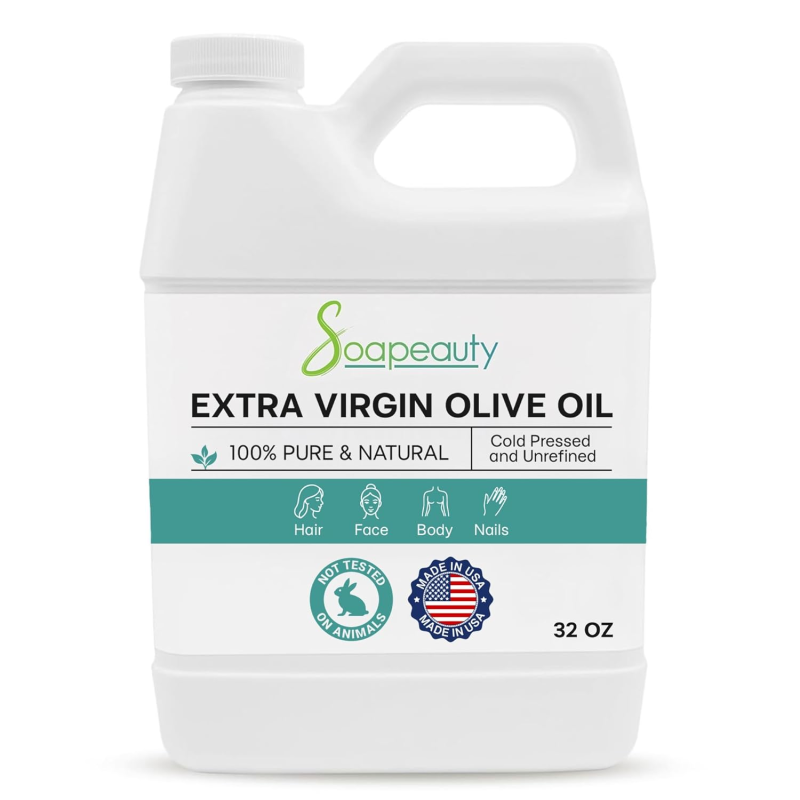
- Olive Oil (RBD) – 32 fl oz
- Coconut Oil (RBD) – 32 fl oz
Fragrances
Essential oils including:
- Lavender
- Peppermint
- Tea Tree
- Eucalyptus
- Lemongrass
- Orange
Colorants
- Pearlescent Mica Powder Pigments (assorted colors)
Typical Applications
- Cold-process soap making
- Melt-and-pour soap customization
- Cosmetic formulation
- Candle and wax prototyping
- Sensory and olfactory design
- Pigment and color experiments
- Educational demonstrations of emulsions and saponification
PPE
```html
```
Hazards
Safety Checks
Operational Checks
Cleanup
Avoid
One note: since you're almost certainly going to add sodium hydroxide (lye) later, I'd keep it as a separate inventory item rather than including it here. It has substantially different hazards, PPE requirements, and storage considerations, and deserves its own safety documentation. This "Soap Making Materials" entry can then focus on the relatively low-hazard ingredients used in soap formulation.
Hazards
- Essential oils may cause skin irritation or allergic reactions.
- Mica powders may generate airborne dust during handling.
- Oils can create slippery surfaces if spilled.
- Some fragrance oils and essential oils are flammable.
- Soap making using sodium hydroxide (lye) requires additional chemical safety procedures.
Things to Avoid
- Do not ingest any materials.
- Do not inhale mica powder.
- Do not apply undiluted essential oils directly to skin.
- Do not contaminate stock containers with used utensils.
- Do not expose oils or fragrances to excessive heat or direct sunlight.
- Do not perform cold-process soap making without proper lye safety training.
Safety Checks
- Verify containers are properly labeled.
- Inspect bottles for leaks or contamination.
- Keep lids tightly sealed when not in use.
- Work in a clean, well-ventilated area.
- Confirm compatibility of fragrances and pigments before mixing.
Operational Checks
- Measure ingredients accurately using calibrated scales.
- Dispense fragrances sparingly according to formulation.
- Mix pigments thoroughly to prevent clumping.
- Record formulations for reproducibility.
- Keep ingredients separated to prevent cross-contamination.
Cleanup
- Wipe spills immediately.
- Clean measuring tools with warm water and detergent.
- Seal all containers after use.
- Return materials to designated storage.
- Dispose of waste according to laboratory procedures.